First impressions are everything, and the front of your house is the first thing guests and passersby see. Enhancing your curb appeal with beautiful flower beds not only adds visual interest but also reflects your personal style and care for your home. In this blog, we’ll explore 12 inspiring front of house flower bed ideas that can transform your home’s exterior into a charming and inviting space.
Key Takeaways
- Boost Curb Appeal: Flower beds are a simple yet effective way to enhance the visual appeal of your home’s exterior.
- Seasonal Interest: Plan for year-round beauty by incorporating plants that bloom in different seasons, ensuring continuous color and interest.
- Functional Beauty: Consider edible flower beds and fragrant gardens to combine aesthetics with practicality and sensory appeal.
- Sustainability: Native plant beds support local wildlife and are adapted to the local climate, making them easier to care for and eco-friendly.
12 Front of House Flower Bed Ideas
#1. Classic Symmetry

A symmetrical flower bed design exudes elegance and order. To achieve this look, plant matching flower beds on either side of your front door or pathway. Use plants like boxwoods, roses, and hydrangeas for a timeless appeal. Arrange them in neat rows or structured patterns to enhance the symmetry.
Tips for maintenance:
- Regularly prune to maintain shape
- Use mulch to keep soil moist and weeds at bay
- Fertilize seasonally to encourage healthy growth
#2. Cottage Garden Charm
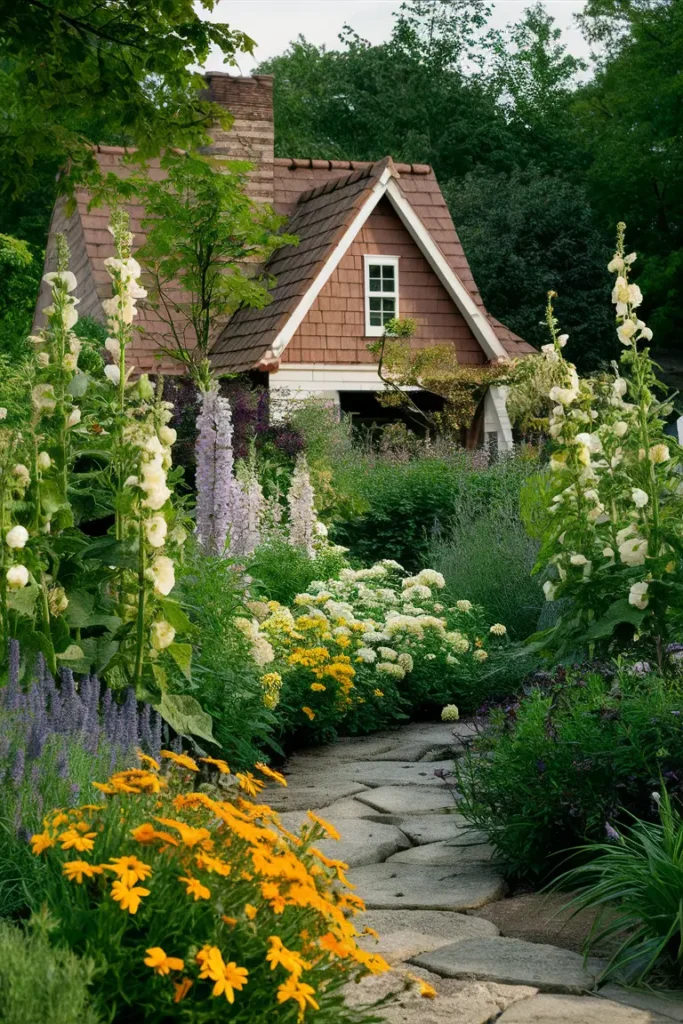
A cottage garden-style flower bed offers a whimsical and romantic feel. This design embraces a more relaxed and informal arrangement of flowers, often mixing a variety of colors, shapes, and sizes. Popular plants for this style include hollyhocks, delphiniums, daisies, and lavender.
Arrangement tips:
- Allow plants to grow naturally without strict pruning
- Mix tall and short plants for a layered look
- Use winding paths or stone borders to enhance the cottage feel
#3. Modern Minimalist
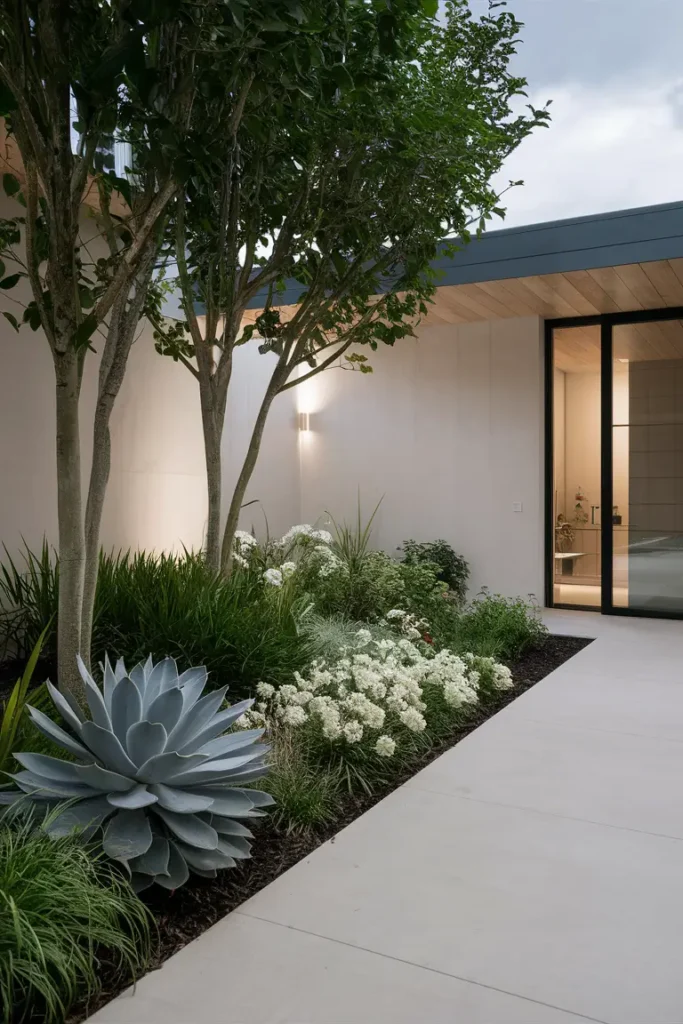
For a sleek and contemporary look, consider a minimalist flower bed design. This style focuses on simplicity, clean lines, and a limited color palette. Opt for plants with striking foliage such as succulents, ornamental grasses, and monochromatic blooms.
Design and maintenance tips:
- Choose a neutral color scheme with one or two accent colors
- Use geometric shapes in plant arrangements
- Incorporate hardscape elements like concrete or metal for contrast
#4. Vibrant Color Burst
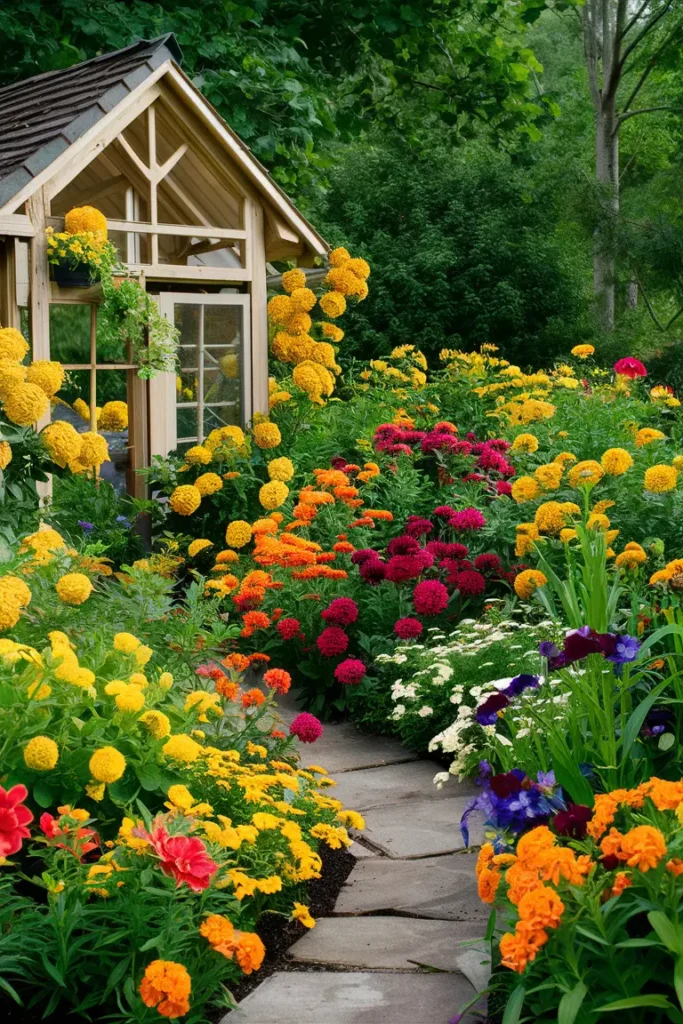
If you love color, a vibrant flower bed is the way to go. Choose flowers that bloom in a variety of hues to create a lively and dynamic display. Annuals like marigolds, petunias, and zinnias provide bold colors, while perennials like peonies and coneflowers offer lasting beauty.
Tips for color coordination:
- Group flowers by color for a bold impact
- Use a color wheel to select complementary colors
- Plan for seasonal blooms to maintain vibrancy year-round
#5. Evergreen Elegance
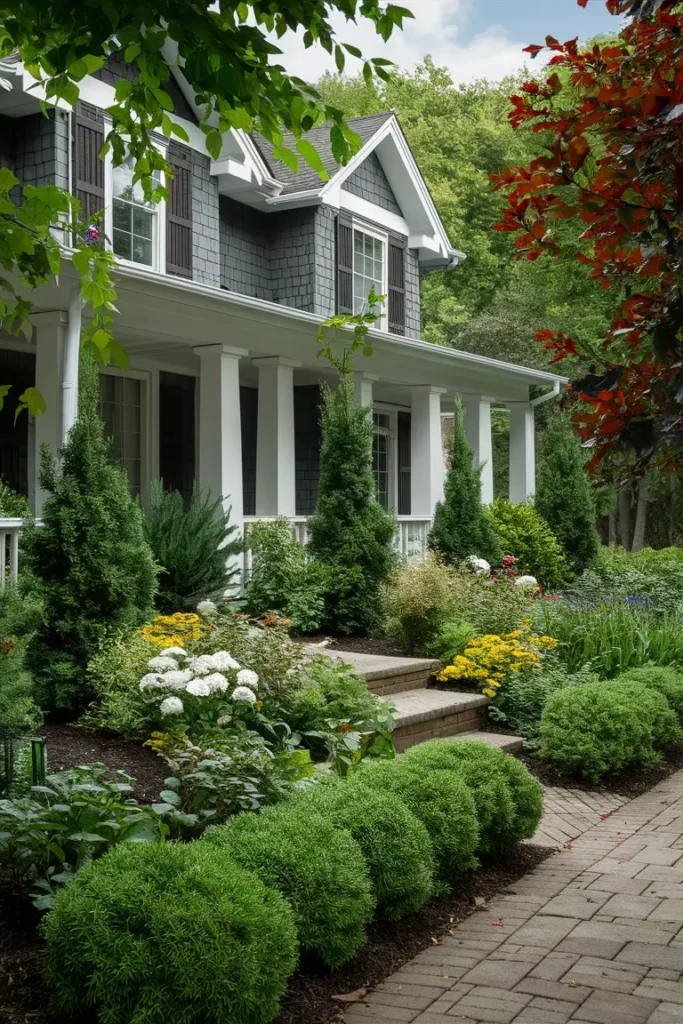
Evergreen plants ensure that your flower beds look beautiful throughout the year. Incorporate a mix of evergreen shrubs, such as junipers, boxwoods, and hollies, with seasonal flowers for variety. This combination provides structure and greenery even in the winter months.
Design ideas:
- Use evergreen shrubs as the backbone of your flower beds
- Add pops of color with seasonal annuals and perennials
- Consider varying heights and textures for visual interest
#6. Low-Maintenance Beauty
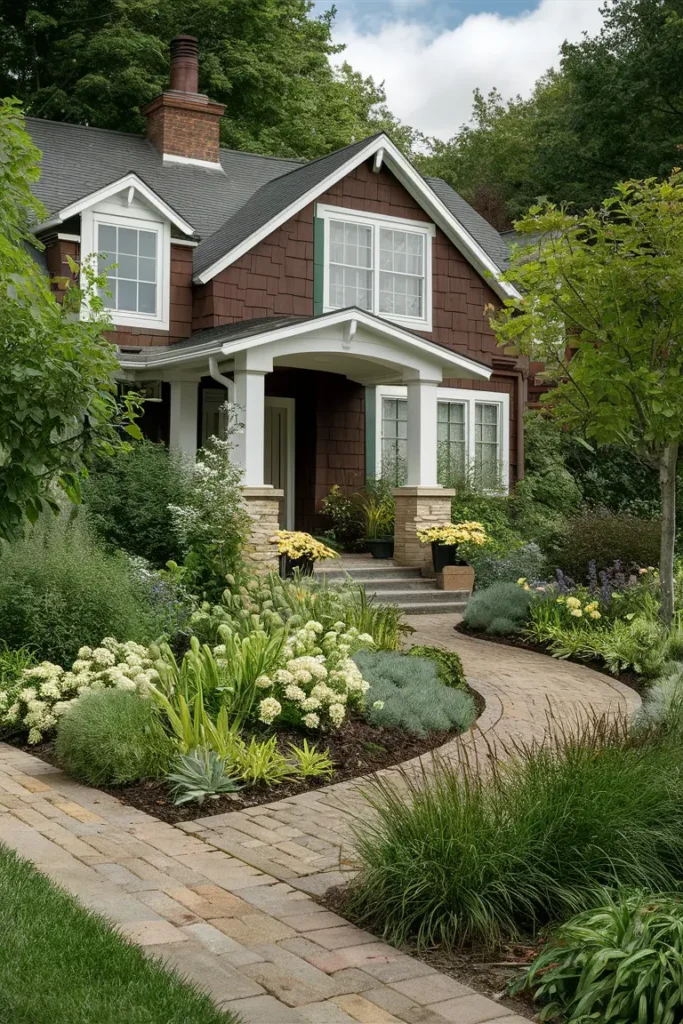
Not everyone has the time for intensive garden upkeep. A low-maintenance flower bed focuses on hardy, drought-resistant plants that require minimal care. Succulents, daylilies, and ornamental grasses are excellent choices for this type of garden.
Strategies for reducing upkeep:
- Use native plants adapted to your local climate
- Apply mulch to retain moisture and reduce weeds
- Choose perennials over annuals to avoid replanting each year
#7. Vertical Garden Beds
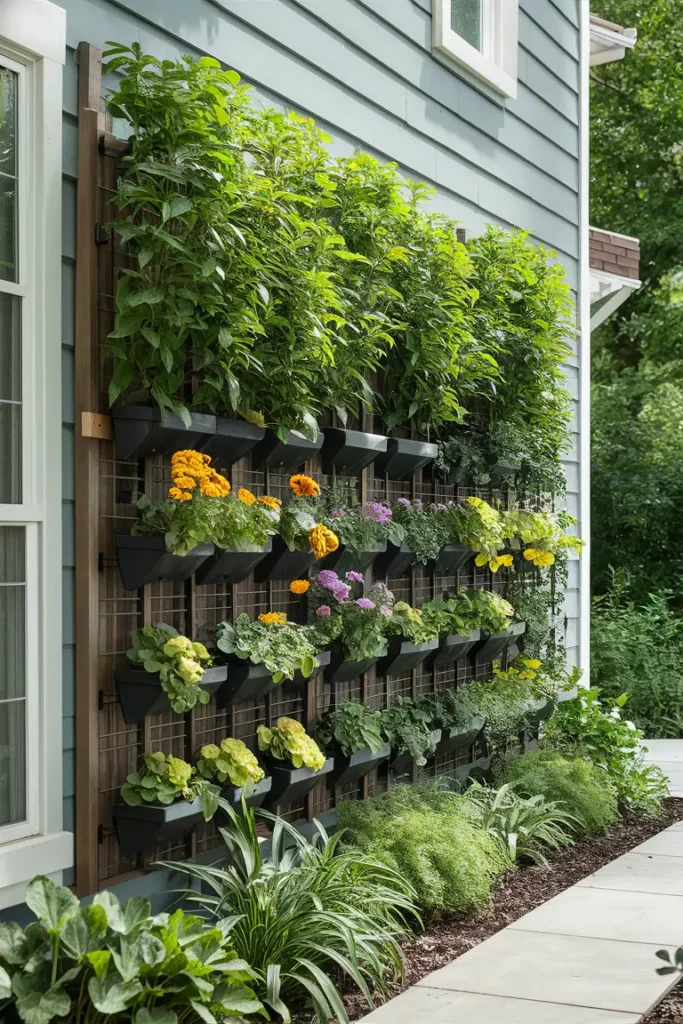
If your yard space is limited, a vertical garden bed can add greenery without taking up much ground space. Use wall-mounted planters, trellises, or vertical garden structures to grow flowers and trailing plants. This approach works well for vines, ferns, and small flowering plants.
Space-saving and aesthetic benefits:
- Creates visual interest by adding height to your garden
- Ideal for small front yards or urban settings
- Maximizes planting area without crowding the ground
#8. Edible Flower Beds

Why not combine beauty and functionality by incorporating edible plants into your flower beds? Herbs like basil, rosemary, and thyme, as well as edible flowers such as nasturtiums and pansies, can create a delightful and practical garden.
Design ideas:
- Mix edible plants with ornamental flowers for a seamless look
- Plant herbs along pathways for easy access
- Use raised beds or containers to define edible garden areas
#9. Native Plant Beds

Native plants are well-suited to your local climate and soil conditions, making them easier to care for and more sustainable. They also support local wildlife, including pollinators like bees and butterflies. Consider plants like black-eyed Susans, purple coneflowers, and native grasses.
Design tips:
- Group plants with similar water and sunlight needs
- Use native plants as the foundation of your garden
- Incorporate a variety of species to promote biodiversity
#10. Seasonal Sensations
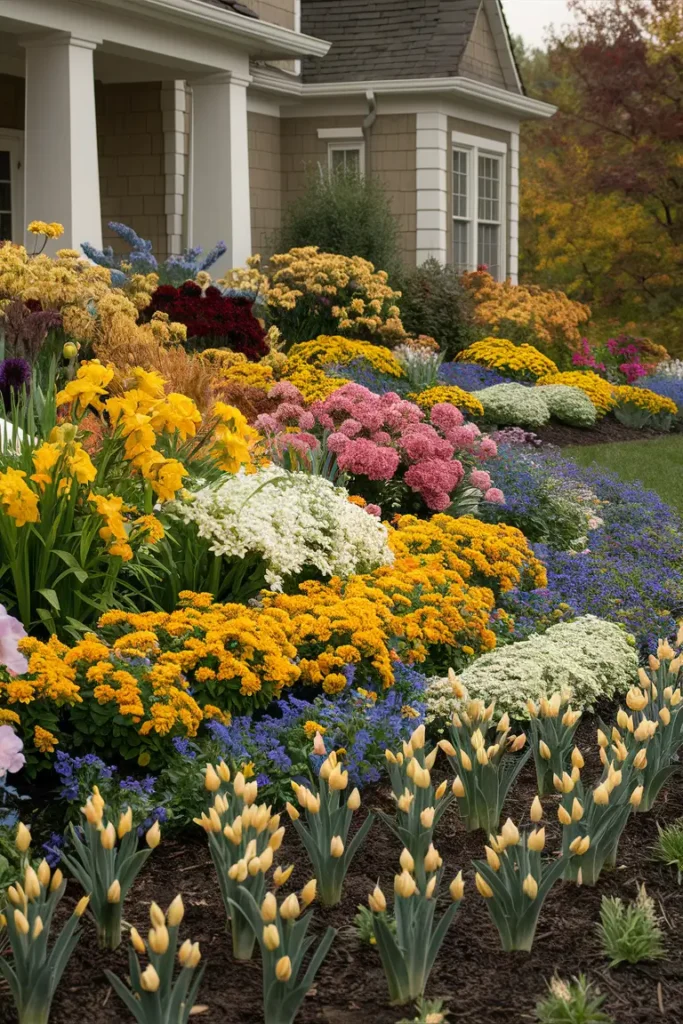
To keep your flower beds looking fresh and vibrant throughout the year, plan for seasonal variety. Choose plants that bloom in different seasons, ensuring that there is always something in bloom. Spring bulbs, summer perennials, and fall-blooming asters can provide continuous color.
Tips for seasonal planning:
- Create a planting calendar to track bloom times
- Layer bulbs and perennials for staggered flowering
- Include evergreen plants for winter interest
#11. Fragrance Focus
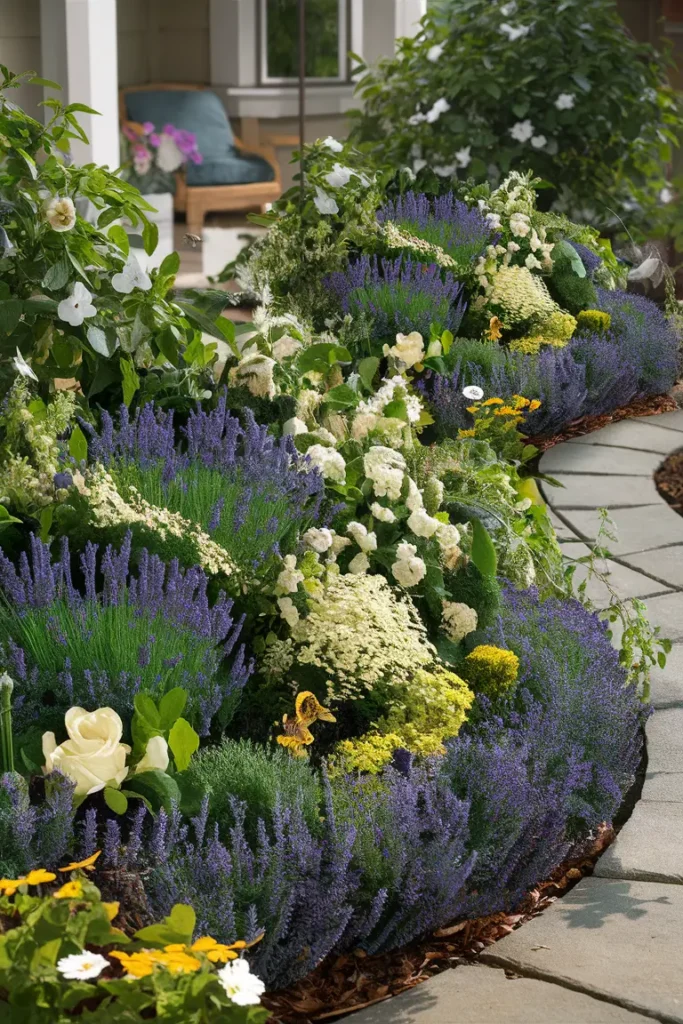
A flower bed filled with fragrant plants can create a delightful sensory experience. Choose aromatic flowers and herbs such as lavender, jasmine, roses, and gardenias. Plant them near pathways, windows, or seating areas to fully enjoy their scents.
Tips for maximizing fragrance:
- Group fragrant plants together for a more intense aroma
- Plant near areas where you spend time outdoors
- Choose a variety of scents for a rich olfactory experience
#12. Rock Garden Blend
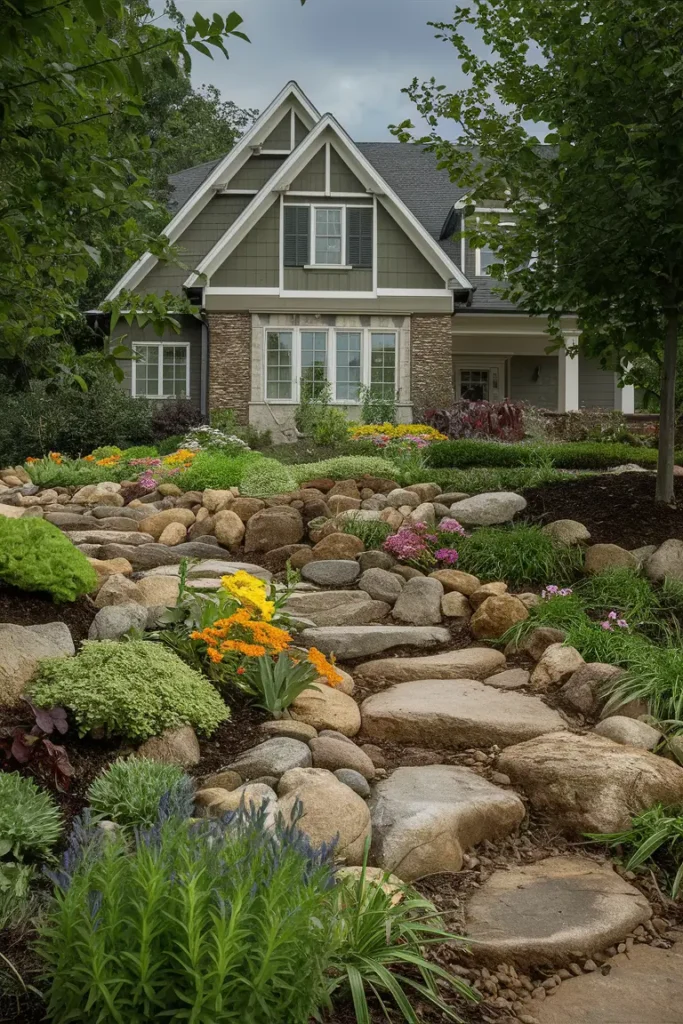
Combining flowers with rocks and stones can create a striking and low-maintenance garden. Rock gardens are ideal for areas with poor soil or slopes. Use a mix of drought-resistant plants like sedums, succulents, and alpine flowers.
Design ideas:
- Use rocks to create terraces or raised beds
- Mix different sizes and shapes of rocks for a natural look
- Incorporate gravel or sand for added texture and drainage
Final Thoughts
Transforming your front yard with a beautiful flower bed not only enhances your home’s curb appeal but also creates a welcoming atmosphere. Whether you prefer the classic elegance of symmetrical designs, the charm of a cottage garden, or the modern look of minimalist beds, there are endless possibilities to explore. Experiment with different styles, plants, and arrangements to find the perfect fit for your home.
Until next time!

FAQs
What are the best plants for a low-maintenance flower bed?
Succulents, daylilies, and ornamental grasses are excellent low-maintenance choices. Native plants are also a great option as they are adapted to the local climate.
How can I create a flower bed that blooms all year round?
Plan for seasonal variety by choosing plants that bloom in different seasons. Incorporate spring bulbs, summer perennials, and fall-blooming asters, and use evergreen plants for winter interest.
What are some tips for maintaining a fragrant flower bed?
Group fragrant plants together, plant them near areas where you spend time outdoors, and choose a variety of scents to create a rich olfactory experience.